

Introduction: Why Address Accuracy Matters More Than Ever
In a world increasingly driven by data, having accurate customer information is essential for business success. Of all the data points collected, the physical address plays a key role in operations ranging from shipping and billing to compliance and analytics. Inaccuracies in address data can result in failed deliveries, inflated costs, and lost trust.
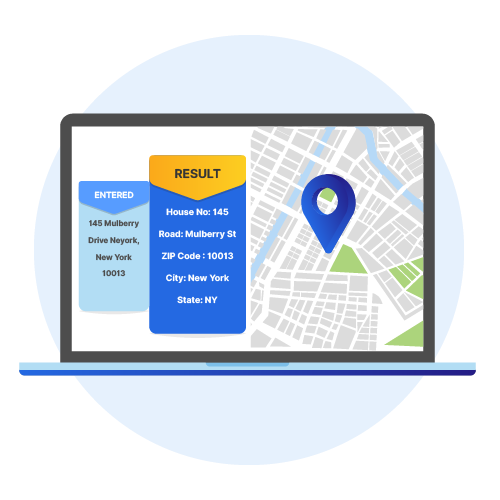
To combat these issues, businesses are adopting tools like the address validation API. This technology automates the verification and correction of addresses, ensuring data accuracy from the moment it’s entered.
In this article, we’ll explore the benefits of using an address validation API, demonstrating how it supports accuracy, efficiency, and growth across multiple industries.
1. What Is an Address Validation API?
Definition
An address validation API is a software tool that verifies and corrects address inputs against authoritative postal data (e.g., USPS, Canada Post, Royal Mail). It ensures that any address entered into your system is accurate, complete, and deliverable.
Core Functions
-
Verifies and formats addresses in real-time
-
Standardizes address structures across countries
-
Detects and corrects incomplete or inaccurate data
-
Supports autocomplete and predictive typing
2. The True Cost of Invalid Address Data
Failed Deliveries and Customer Loss
Incorrect addresses can cause package returns, delays, or failed deliveries—directly impacting customer experience and retention.
Operational Inefficiencies
Every return results in wasted labor, increased customer service queries, and lost inventory movement.
Higher Shipping and Correction Fees
Major shipping carriers charge additional fees for address correction and delivery rerouting.
Damaged Brand Reputation
Errors in delivery erode customer trust, leading to negative reviews and loss of repeat business.
3. Top Benefits of Using an Address Validation API
1. Enhanced Data Accuracy at Point of Entry
Integrating an address validation API ensures that all addresses are correct as soon as they are entered. This leads to:
-
Cleaner databases
-
Accurate CRM records
-
Better reporting and analytics
2. Reduced Failed Deliveries and Returns
Correct addresses help avoid:
-
Reshipping costs
-
Lost parcels
-
Customer service escalations
3. Lower Operational Costs
Fewer delivery issues result in:
-
Reduced warehouse processing
-
Lower customer support volume
-
Decreased refund or compensation payouts
4. Improved Checkout and Onboarding Experiences
Real-time validation and autocomplete speed up form filling, lowering user friction and improving conversion rates.
5. Better Marketing ROI
Targeting customers with direct mail or location-based ads becomes significantly more effective with accurate data.
6. Global Address Support
Many APIs support address formats from multiple countries, making them ideal for cross-border commerce and multinational businesses.
7. Compliance with Regulatory Requirements
Industries like finance and healthcare require accurate address verification for KYC, HIPAA, and anti-fraud regulations.
4. Industries That Benefit the Most
E-commerce and Retail
Benefits include:
-
Accurate shipping and delivery
-
Improved customer trust
-
Enhanced mobile shopping experience
Logistics and Transportation
Shipping companies gain from:
-
Real-time route optimization
-
Reduced return-to-sender packages
-
Carrier-compliant formatting
Healthcare and Insurance
Ensures:
-
Timely delivery of medical documents
-
Compliance with patient data regulations
-
Clean audit trails
Financial Services
Used for:
-
Customer verification (KYC)
-
Accurate billing
-
Risk management
Real Estate and Utilities
Used in:
-
Property listing accuracy
-
Utility hookup coordination
-
Infrastructure planning
5. Key Features to Look for in an Address Validation API
Real-Time Validation
Ensures that addresses are correct during data entry, not after.
Autocomplete Functionality
Suggests valid address completions to users, reducing input errors.
Global Address Support
Essential for businesses that operate internationally or plan to expand.
Batch Processing
Allows you to clean and validate large address lists in one go.
Postal Certification
Look for certifications such as:
-
USPS CASS (U.S.)
-
xSERP (Canada)
-
PAF (UK)
Scalable and Reliable Infrastructure
APIs should be cloud-based, secure, and scalable with 99.99% uptime.
Flexible Integration
Choose APIs compatible with your current systems (CRM, CMS, ERP, checkout forms, etc.).
6. Real-World Applications and Use Cases
1. Online Checkout Address Verification
Ensures that customers enter accurate shipping information before completing their purchase, reducing order errors.
2. CRM and Database Hygiene
Periodic batch validation keeps your marketing and sales databases clean and up-to-date.
3. Registration and KYC Checks
APIs verify addresses during new account sign-ups for compliance and identity verification.
4. Mailing and Fulfillment Operations
Validated addresses help with timely, error-free mailouts of invoices, brochures, or welcome kits.
5. Subscription-Based Services
Monthly deliveries are made smooth and hassle-free, improving customer retention.
7. Integration Best Practices
Integrate Early in the Workflow
Validate at the point of data capture—registration, checkout, or contact forms—to prevent dirty data from entering the system.
Use Autocomplete with Postal Authority Backing
This feature improves the user experience and increases speed while maintaining accuracy.
Fallback and Error Handling
Have clear error messages or correction suggestions when invalid addresses are detected.
Log Changes for Compliance
Maintain a record of original and corrected addresses for audit or legal requirements.
8. Address Validation API vs. Manual Verification
| Feature | Manual Validation | Address Validation API |
|---|---|---|
| Speed | Slow | Instant |
| Accuracy | Human error-prone | Highly accurate |
| Cost | Labor-intensive | Cost-effective |
| Scalability | Not scalable | Scales with traffic |
| Integration | Not applicable | Seamless with systems |
9. Customer Case Studies
E-commerce Business Saves on Shipping
A fashion brand reduced failed deliveries by 45% and return processing costs by 30% after integrating an address validation API.
Healthcare Provider Improves HIPAA Compliance
An address validation API helped a clinic ensure secure delivery of patient statements and legal notices, eliminating misrouted mail.
Subscription Box Company Reduces Churn
With accurate addresses, a subscription business decreased customer churn by 20% due to fewer missed or delayed deliveries.
10. Choosing the Right Address Validation API Vendor
Questions to Ask Before Buying
-
Does it support the countries I ship to?
-
How fast is the API response time?
-
Can it scale with my business traffic?
-
Does it have up-to-date postal certifications?
-
Is customer support available in my region?
Popular API Providers
Some widely used vendors include:
-
Smarty
-
Lob
-
Google Places API (limited validation)
-
Melissa
-
Loqate
-
PostGrid
11. The Future of Address Validation APIs
AI-Enhanced Suggestions
Future APIs will leverage artificial intelligence to suggest corrections and predict the most likely valid addresses.
Multi-Channel Data Sync
Expect tighter integration with omnichannel platforms—syncing address data across apps, CRM, support systems, and delivery partners.
Voice and IoT Integration
As voice assistants and smart devices become more common, APIs will validate spoken address inputs in real-time.
12. Summary of Benefits
| Benefit | Impact |
|---|---|
| Increased Delivery Success | Fewer failed deliveries and happier customers |
| Reduced Costs | Lower returns, shipping corrections, and labor |
| Improved Conversion Rates | Easier checkout and registration experiences |
| Better Marketing Accuracy | Effective campaigns and higher ROI |
| Enhanced Compliance and Fraud Prevention | Meets regulatory requirements and verifies users |
Conclusion: Invest in Accuracy for Long-Term Success
In the digital-first era, accurate customer data isn’t optional—it’s the foundation of seamless operations and personalized service. Implementing an address validation API allows businesses to ensure address integrity at scale, improve operational efficiency, and reduce risks.
Whether you’re in e-commerce, healthcare, logistics, or financial services, the benefits of using an address validation API are too significant to ignore. As customer expectations rise and global commerce expands, validating addresses becomes an essential part of doing smart business.


